
Studying with a disability
Contents: Student numbers in Germany and at Bielefeld University.
The current figures from 2023 (Germany) and 2024/2025 (Bielefeld University) for students with impairments, chronic or mental illnesses show how important it is to create an inclusive environment at universities.
Equal participation in society and education is [...] always also a key indicator of the extent of equal opportunities in a democratic society (Steinkühler et al., 2023, p. 12).
A central basis for the presentation of the data is the nationwide best3 study in Germany published in 2023. A total of 188,000 students at German universities were surveyed regarding their 'life and study situation' (Steinkühler et al., 2023, p. 4) — including almost 30,000 students with so-called studying-impending impairments. Following the surveys in 2011 and 2017, best3 is the third representative survey on this topic in Germany.
Key findings
Around 16 % of all students in Germany state that they have at least one impairment that makes studying difficult (Steinkühler et al., 2023, p. 5).
Of those affected, around 65 % cite a mental illness as the main cause. Around 13 % report a chronic impairment such as rheumatism. A further 7.2 % have multiple disabilities of equal severity and 5.1 % have another impairment. In addition, between 1 and 4 % state that they are affected by a specific learning difficulty or a mobility, visual or hearing impairment.
Many students are also impacted by not just one, but several impairments. 69 % of students with an impairment impending one's studies report a single impairment, while 31 % report multiple.
Mental illness is by far the most frequently reported studying-impending impairment.

Fig. 1: Due to rounding differences, the sum of the values may deviate from 100 %, basis: students with severe disabilities, own type of presentation.
In terms of visibility, it is clear that 56 % of students in Germany with a severe academic impairment are permanently unrecognisable from the outside. For 41 % of those affected, the impairment only becomes apparent after some time and for only 3 % it is obvious from the first contact.
Students with impairment, chronic or mental health condition at Bielefeld University
The Bielefeld University student survey for the 2024/2025 winter semester has once again revealed that 27.9 % of students have at least one impairment, chronic or mental illness. This puts Bielefeld University well above the national average. Here, too, a large proportion of students report having a mental health condition or illness (16.1 %). Almost on a par with this, around 8 % report having an attention deficit/hyperactivity disorder and/or a developmental disorder, as well as a chronic or somatic illness. Between 1.4 and 1.1 % stated that they were affected by a visual impairment, blindness, a mobility or movement impairment, or a specific learning difficulty such as dyslexia or dyscalculia. A further 0.6 % and 0.5 % have a hearing impairment, are deaf or have a language or speech impairment. The remaining 3.4 % classified themselves as ‘Other’.
Among students with impairment, chronic or mental health condition, mental health conditions or illnesses are the most common.
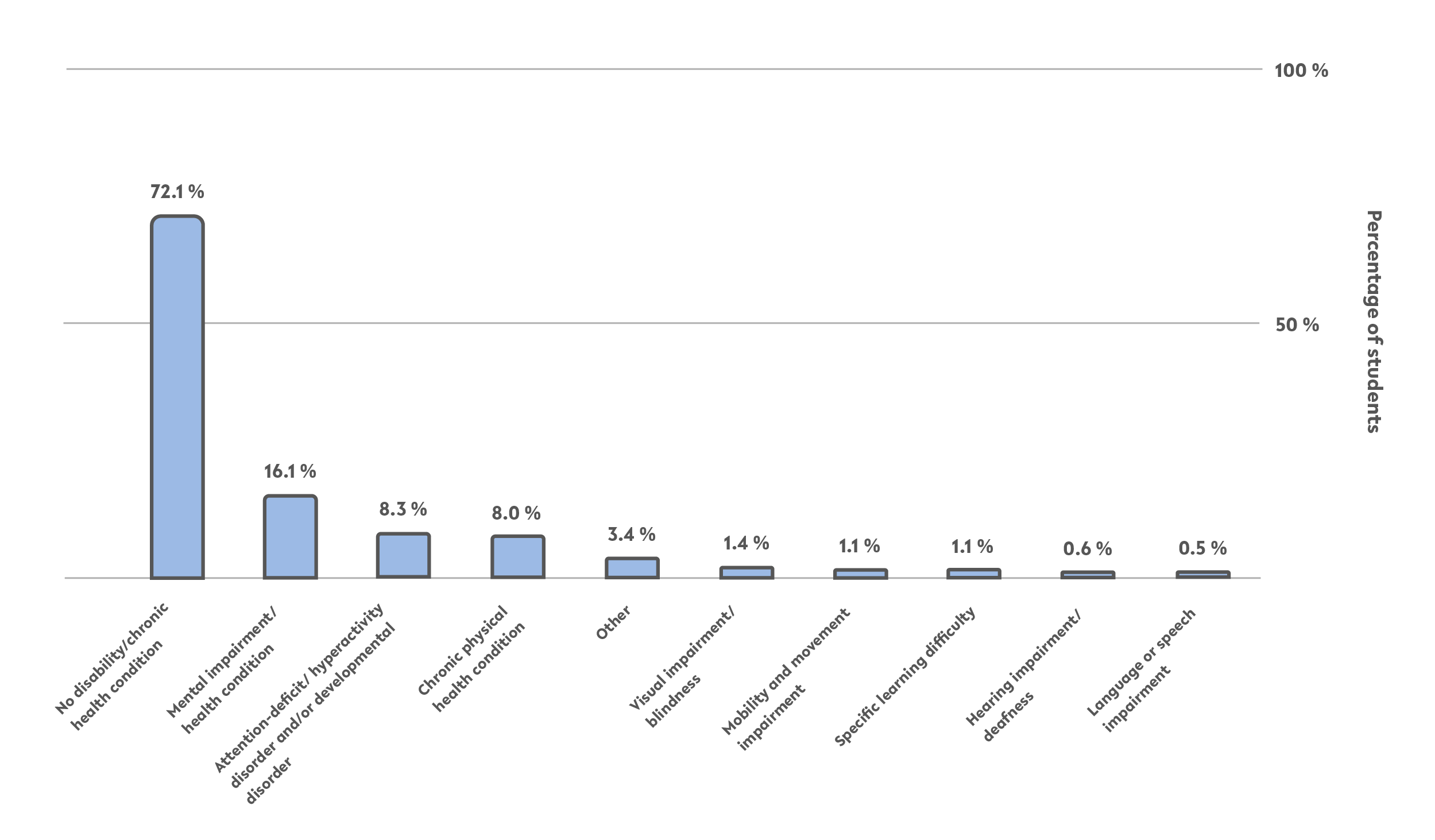
Fig. 2: Multiple answers permitted; based on all respondents; own presentation.
Impairment-related support needs
27 % of students with an impairment impending one's studies stated that they require various forms of support — in addition to requirements regarding the university's facilities and construction. These include, for example, quiet rooms (14.9 %) or more e-learning programmes (11 %).
The need for support measures differs depending on the type of impairment: While accessibility in buildings is most frequently required by students with mobility impairments (12.2 %), students with visual impairments are dependent on specific equipment such as large screens (15.8 %). Students with hearing impairments would particularly like to see, hear and be ventilated in a way that minimises disruption (40.3 %). Despite this, many students unfortunately report that their needs have rarely been satisfactorily met.
Effects on studying
Unsurprisingly impairments can have a significant impact on studies. 92 % of affected students report difficulties in at least one of the following areas:
- study organisation;
- teaching and learning;
- as well as examinations and certificates of achievement.
In this regard, 59 % of students with a studying-impending impairment perceive the listed impacts on their studies as ‘(very) severe[ ]’. This proportion is particularly high among students with ‘multiple disabilities of equal severity’ (72.5 %) or with mental illnesses (66.1 %) (Steinkühler et al., 2023, p. 5). Compared with students without a studying-impending impairment, those affected are more likely to experience interruptions to their studies or to change their degree programme or university.
Differences are also evident in social interactions: students with an impairment that impedes their studies (59 %) have less frequent contact with their fellow students than students without such impairments.
Experiencing discrimination
Discrimination is a reality for many students with impairment, chronic or mental illness in everyday student life. Around 73 % report experiences such as devaluation, lack of confidence in their abilities, marginalisation, stereotypical or derogatory reactions or even being laughed at.
Need for counselling
96 % of students with a studying-impending impairment have a need for counselling and information on the following topics:
- financing (48.9 %)
- study-related questions (87.8 %)
- personal concerns (87.8 %)
In this context, it should be mentioned that more than half of students with studying-impending impairments (58.7 %) have not submitted an application for disadvantage compensation or individual adjustments in relation to examination situations because they do not feel 'impaired enough' from their perspective. Almost 57 % are unsure whether they have a claim or whether their application has any chance of success. Overall, only around 21 % have applied for corresponding applications or individual adjustments.
The numbers make it clear that many students with impairments, chronic or mental illnesses face many challenges during their studies.
As a member of teaching staff, you have the opportunity to actively initiate changes in order to contribute to more equal opportunities at your university. By consciously recognising the study realities of affected students, you can understand, take into account and sustainably improve their individual challenges and needs. Even small adjustments in teaching or behaviour can make a big difference.
No comments to display
No comments to display